
Professor David Bek, Centre for Arts and Creative Cultures, Coventry University
Dr. Jill Timms, Associate Professor, Department of Sociology, University of Surrey
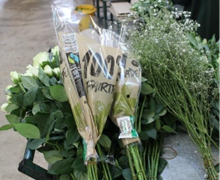
Weddings, funerals, Valentine’s Day – we buy flowers to show that we care on all sorts of occasions. But where do these flowers come from in the first place? Who has produced them, what are their working conditions like and what are their impacts upon the environment? What information is available to consumers to make informed choices about the flowers they buy?
These are the kind of questions which Dr. Jill Timms and Professor David Bek have been exploring through the Sustainable Flowers Research Project for the last decade. A feature of the project has been the holding of regular workshop events involving stakeholders from the cut-flower industry. The first, back in 2017, tied in with their project to promote ethical flowers for improved working conditions in supply chains.
Representatives from different parts of the cut-flower supply chain came and debated key issues around sustainability and certification. The event attracted visitors from a wide range of organisations, such as supermarkets, certification bodies, importers, grower associations, civil society groups, independent florists and their official representative body, the British Florist Association.
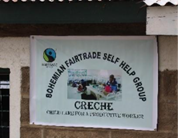
Participants also offered perspectives from a variety of international contexts, with colleagues working in countries including the UK, the Netherlands, South Africa, Zambia and Kenya. This range of perspectives enabled the group to consider both initiatives supporting locally sourced flowers, as well as those aiming to improve conditions for workers in developing nations.
There were some lively debates about who should be responsible for, and who should pay for, ethics and sustainability within the flower supply chain. A recurring theme was certification: would better labelling of flowers to show the standards they have met, such as “Fairtrade”, help consumers to make informed choices about the blooms they buy? And does this kind of certification really help to improve working conditions for those involved in flower supply chains or the environmental impact of flower production? Are there better ways of raising standards and increasing transparency across the
industry than relying on standards and certifications?
Although there are no easy answers to these questions, the workshop provided a rare and valuable opportunity for key stakeholders within the industry to engage in dialogue and discussion with those from different parts of the supply chain they usually do not encounter. Events such as these are also an excellent way to ensure that Coventry’s research is having an impact beyond the University. The participants were greatly enthused by the opportunity to share ideas and expressed interested in being involved in future events with a view to developing a joint agenda to progress the industry’s approach to sustainability challenges.
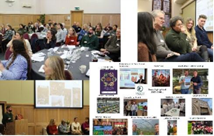
And so, over the next eight years another five workshops have been held resulting in a number of cross-industry initiatives. The most recent event, held at Coventry University in December 2025, reflected the progress that the industry has been making, in areas such as increasing the penetration of certifications, improving traceability, reducing carbon footprints via sea freight and renewable energy projects, tackling management of plastics and packaging and creating more efficient market opportunities for small-scale growers through regional hub models.
Participants agreed that the industry has much to do still, for example by telling positive stories about the impacts of flowers upon people’s wellbeing and confronting greenwash. Great initiatives are happening, such as the adoption of agroecological principles as the cornerstone of the UK small-scale grower sector, collaborative work to tackle Gender Based Violence and Harassment in cut-flower supply chains and, of course, our project’s own promotion of better practices with respect to usage of plastics in floristry. Consumers, too, have an important role to play here. While we’re used to products such as coffee and wine being certified to reflect ethical standards, generally people don’t expect the same when it comes to flowers.
So, next time you’re buying a bunch or a bouquet, don’t hesitate to ask the seller where and how they were sourced. By doing this, consumers can show that they care- not only about the people they’re buying flowers for, but also about the workers who supply them. Indeed, momentum is gathering within the UK sector to lobby for Better Labelling of flowers, so that florists can be more knowledgeable about the flowers they are sourcing (Where are they from? Are they certified? What is their carbon footprint?) and in turn so that the end consumer can rest safe in the knowledge that the beautiful blooms they are gifting or have been gifted have an equally beautiful backstory.
Images:
Image 1: Fairtrade roses at the Kenyan Bohemia farm.
Image 2: Fairtrade premium projects provide crucial social benefits in Kenya.
Image 3: 2025 workshop at St Mary’s Guildhall, Coventry